
Essential Guide to Visiting Kenya
Karibu Kenya! Prepare for an unforgettable journey.
Welcome to Kenya, a land of incredible diversity, from vast savannas teeming with wildlife to pristine coastal beaches, vibrant cultures, and breathtaking landscapes. To help you make the most of your adventure, here’s some essential information.
Most visitors require a visa to enter Kenya. Kenya has an e-visa system, which you should apply for in advance of your travel.
Ensure your passport is valid for at least six months beyond your intended stay and has at least two blank pages. Always check the latest requirements with the official Kenyan immigration website or your local embassy.
Check Official E-Visa Portal (Link Placeholder)The official currency is the Kenyan Shilling (KES). US Dollars are widely accepted, especially in tourist areas, but it's advisable to have some local currency for smaller purchases and markets.
Major credit cards (Visa, MasterCard) are accepted in most hotels, lodges, and larger shops. ATMs are available in cities and towns, but may be scarce in remote areas. Inform your bank about your travel plans.
Kenya has two official languages: English and Swahili (Kiswahili). English is widely spoken, especially in business and tourism.
Learning a few basic Swahili phrases will be appreciated by locals:
- Jambo / Habari: Hello / How are you?
- Asante (sana): Thank you (very much)
- Karibu: Welcome
- ...and more!
Kenyans are generally friendly and welcoming. A handshake is a common greeting. Respect for elders is important.
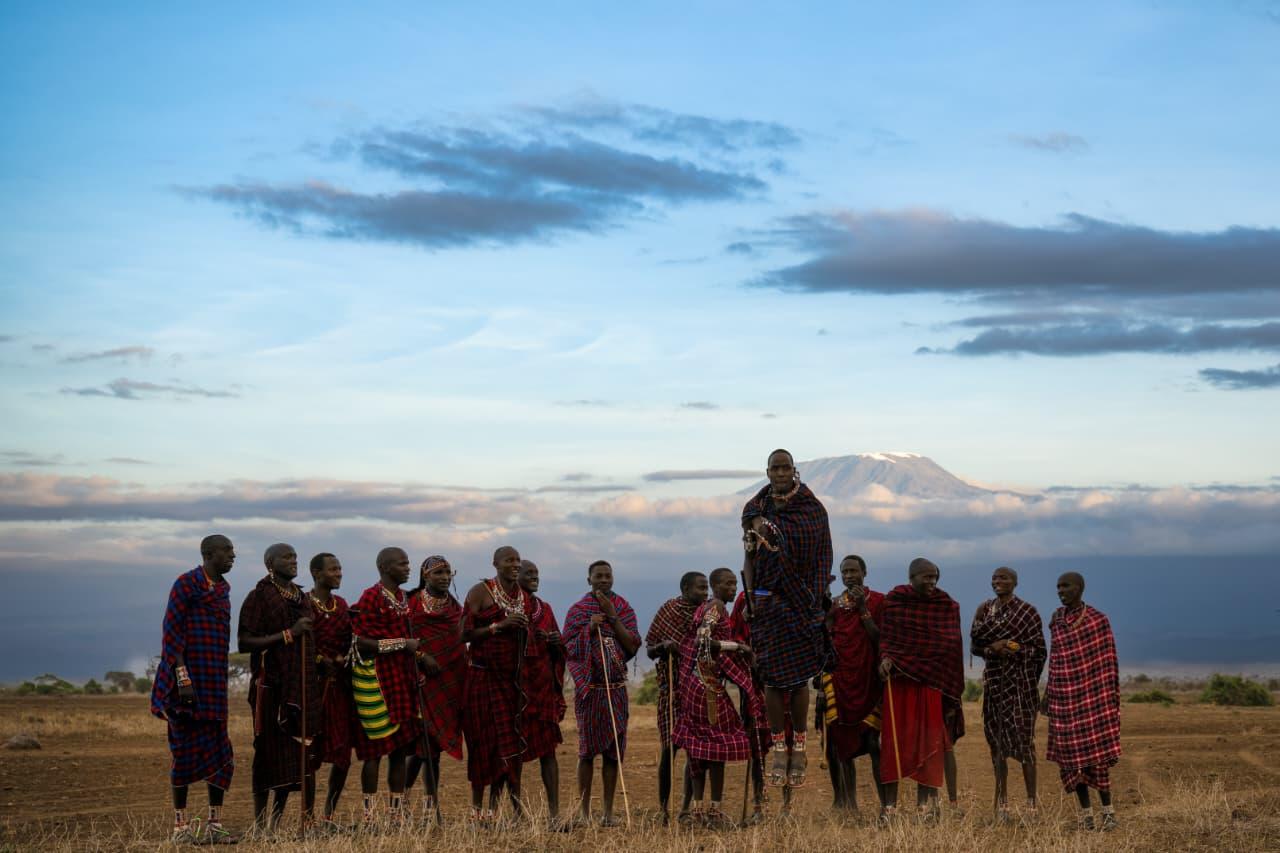
When visiting rural villages or conservative coastal areas, modest dress is appreciated (shoulders and knees covered). Always ask for permission before photographing people.
Mobile network coverage is generally good in urban areas and along main roads. You can purchase a local SIM card easily.
Wi-Fi is available in most hotels, lodges, and cafes, though speed and reliability can vary, especially in remote safari camps.
Electricity in Kenya is 240 Volts, 50 Hz. The plug type is the 3-pin rectangular (Type G), the same as in the UK.
It's advisable to bring a universal travel adapter. Some safari camps may have limited electricity supply, often run by generators at specific times.
Tipping is customary for good service in Kenya, though not mandatory. It forms a significant part of income for many in the service industry.
- Safari Guides/Drivers: $10-15 USD per person per day.
- Lodge/Camp Staff: A general staff tip box is common ($5-10 USD per person per day).
- Porters: $1-2 USD per bag.
- Restaurants: 10-15% of the bill if service charge isn't included.
These are general guidelines; tip according to your satisfaction.
Domestic Flights: Mombasa Air Safari offers convenient flights to major safari parks and coastal towns, saving you long road journeys.
Taxis & Ride-Sharing: Available in major cities. Agree on a fare beforehand for taxis or use reputable apps.
Matatus & Buses: Public buses and minivans (matatus) are common for local travel but can be crowded and safety standards vary. Generally not recommended for tourists for long distances unless experienced.
Road Conditions: Can vary significantly. Main highways are generally paved, but roads to remote parks can be rough, especially during rainy seasons.
Ready for Your Kenyan Adventure?
Kenya awaits with its stunning beauty and warm hospitality. If you have more questions or need help planning, our team is here for you.